UN Warns Earth Will Overshoot 1.5°C Limit
The UNEP Emissions Gap Report confirms global warming will breach the 1.5°C target unless nations cut emissions dramatically before 2030.

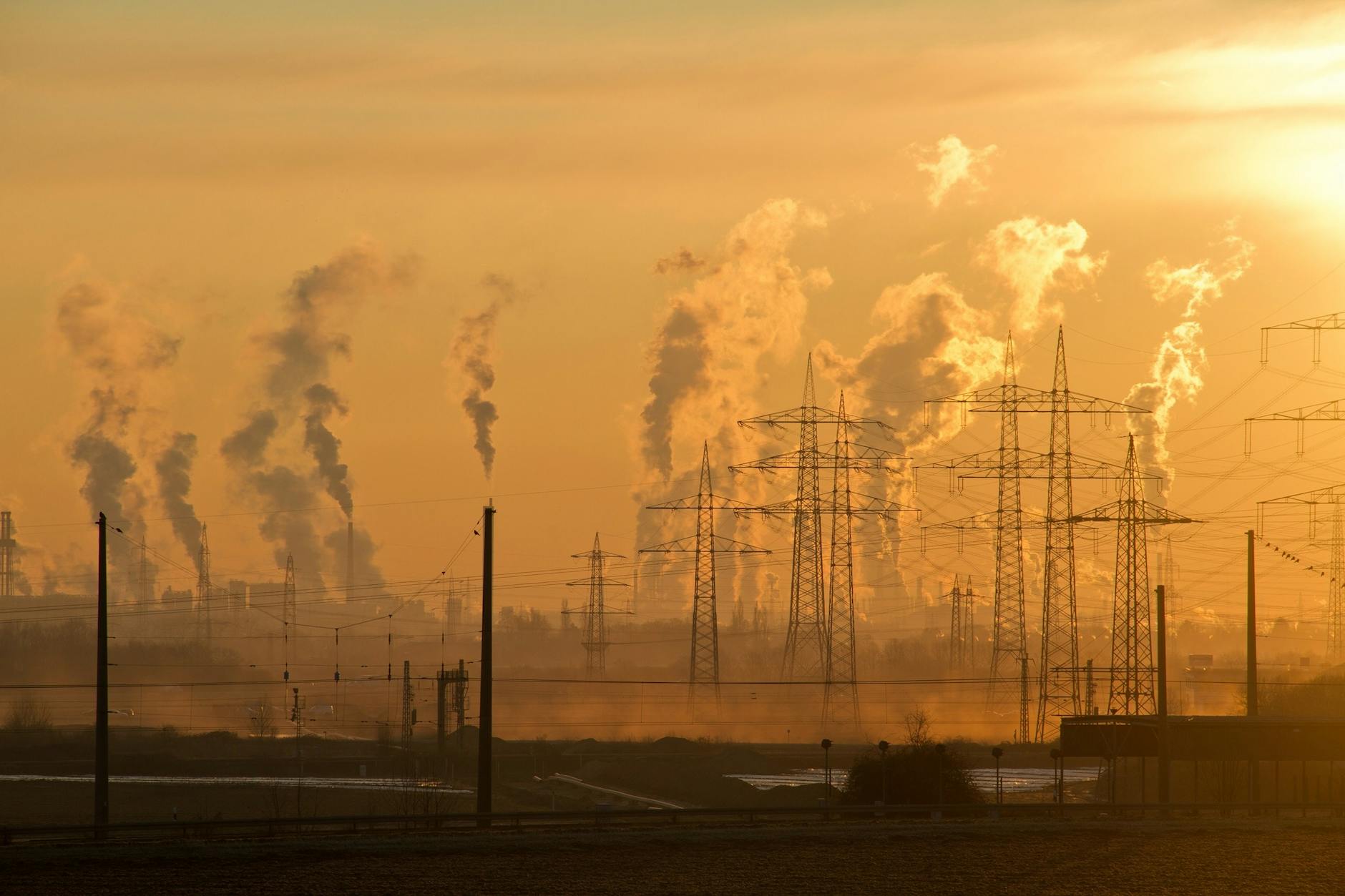
The United Nations Environment Programme (UNEP) issued a stark warning in its latest Emissions Gap Report, confirming that global temperatures will inevitably overshoot the critical 1.5°C climate threshold established under the 2015 Paris Agreement. Without an unprecedented reduction in carbon output by 2030, current national pledges put the world on track for catastrophic warming of up to 3.1°C above pre-industrial levels.
The Widening Emissions Gap: How Nations Are Falling Short
According to official UNEP reporting, global greenhouse gas emissions reached a record high of 57.1 gigatons of CO2 equivalent over the past year. Despite accelerating investments in renewable energy, current Nationally Determined Contributions (NDCs) fail to curb overall emissions quickly enough. To maintain any viable pathway toward stabilizing temperatures, global carbon emissions must decline by 42% before 2030, a goal requiring immediate systemic transformation across energy, transportation, and industrial sectors.
“We need global mobilization on a scale and pace never seen before—starting right now, before the 1.5°C goal is locked out completely.”
— Inger Andersen, Executive Director of the UN Environment Programme
Managing the Overshoot: Tipping Points and Economic Realities
Environmental scientists emphasize that even a temporary overshoot of the 1.5°C threshold carries grave consequences. Prolonged elevated temperatures threaten to trigger irreversible climate tipping points, such as the widespread thawing of Arctic permafrost and severe disruption of marine ecosystems. Financially, delaying aggressive decarbonization will escalate economic losses from climate-driven weather disasters while significantly raising the future cost of atmospheric carbon removal.
- Global emissions must decrease by 42% by 2030 to preserve the 1.5°C Paris Agreement limit.
- Current national policies put Earth on course for a 2.6°C to 3.1°C temperature increase by 2100.
- An overshoot beyond 1.5°C risks triggering irreversible ecological tipping points and massive economic disruption.
As diplomats prepare for upcoming international climate summits, pressure is mounting on major industrial emitters to deliver updated, legally binding action plans. The global focus must now pivot from distant net-zero promises to immediate, measurable policy enforcement within this decade.
Do you believe major industrial economies will achieve the necessary 42% emissions cuts by 2030?
Frequently Asked Questions
Essential facts and core questions addressed by official sources and investigative reporting.
Senior Editorial Contributor at Devyy Media covering breaking global trends and verified journalism.
Community Discussion
Share your insights, thoughts, and feedback with the author and community.