Texas $1 Fee Funded Flock Cameras: Abbott Halts State Spending
Texas's $1 auto insurance fee, meant for catalytic converter theft, secretly funded 3,200+ Flock surveillance cameras. Governor Abbott halts state funding amid privacy backlash.

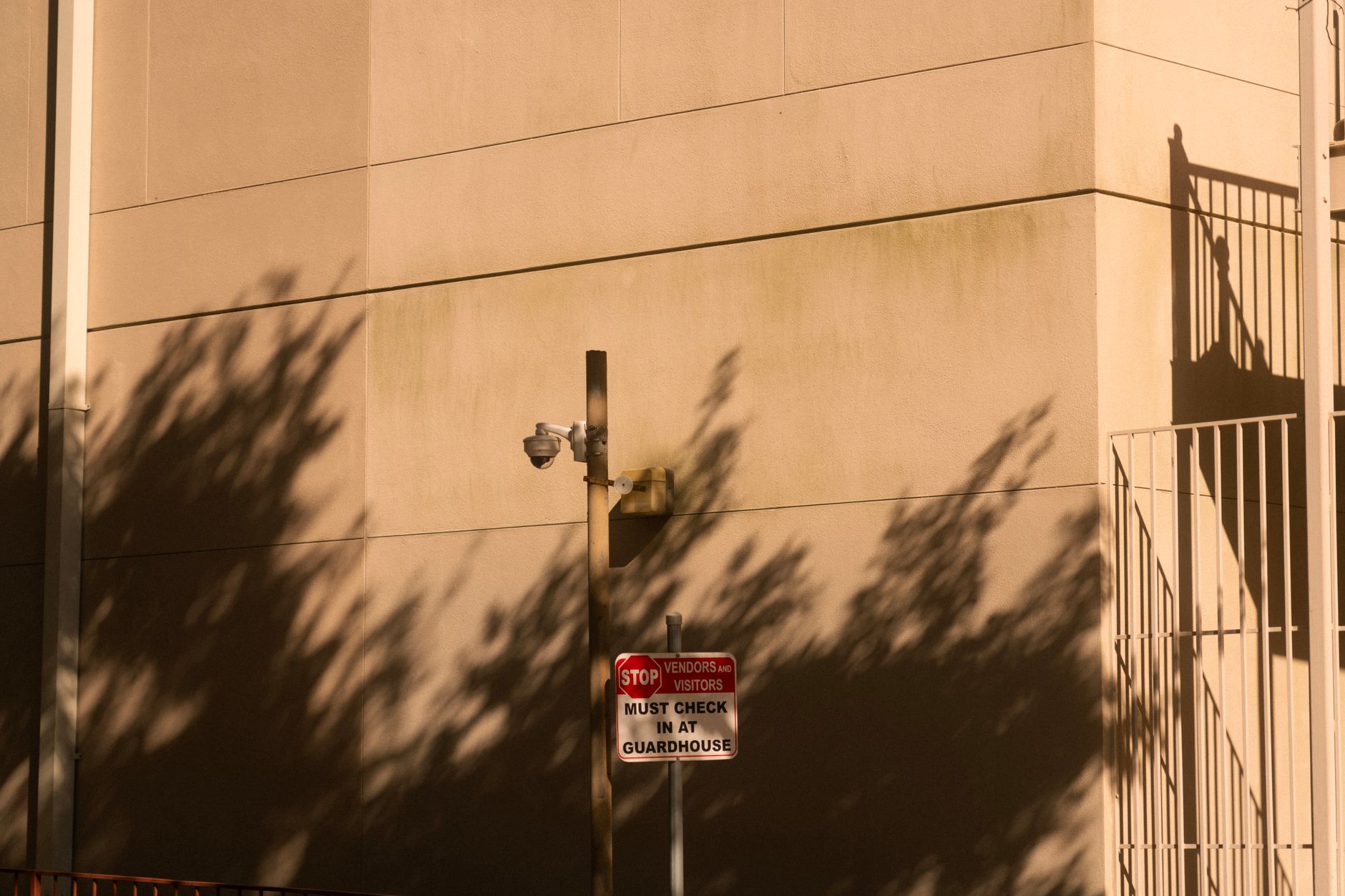
A controversial $1 annual fee on Texans' auto insurance, initially designated to combat catalytic converter theft, has been revealed to fund thousands of AI-powered Flock surveillance cameras across the state. This discovery, broken by The Texas Tribune on August 28, 2026, prompted Governor Greg Abbott to immediately order state agencies to halt further funding for the network, igniting a significant political and public privacy debate.
The Unintended Consequence of a Small Fee
The Texas Legislature unanimously passed a law in 2023 introducing a $1 annual fee on auto insurance policies. This modest charge was explicitly designed to generate funds for the Motor Vehicle Crime Prevention Authority, a state agency tasked with tackling the rampant issue of catalytic converter theft, with no original mention of license plate readers in the legislation.
However, an investigative report from The Texas Tribune, published August 28, 2026, exposed that at least $30 million of the estimated $81 million generated by this fee has been redirected. These funds were funneled into establishing and expanding a vast network of Flock surveillance cameras, leading to bipartisan criticism and immediate action from the Governor's office.
“To the extent that cities get any funding for those cameras, most of it comes from the federal government. To the extent any funding comes from Texas agencies, those agencies are clarifying that those funds cannot be used for Flock cameras.”
— Andrew Mahaleris, Spokesperson for Governor Greg Abbott
A Surveillance Network Spanning the Lone Star State
The Motor Vehicle Crime Prevention Authority, largely overseen by appointees of Governor Abbott, has been instrumental in this expansion. They funded at least 3,200 Flock cameras statewide, awarding over 95 grants to local law enforcement agencies to purchase and maintain approximately 2,000 devices.
Further solidifying the network, a $15.9 million contract in 2025 with the Texas Department of Public Safety (DPS) added nearly 1,200 more cameras. More recently, in early August 2026, an additional $3 million was approved for DPS to install 583 more cameras along Texas tollways, extending the reach from El Paso to the Louisiana border.
The scale of deployment is significant; entire city networks, including 165 cameras in Laredo and 150 in El Paso, were fully subsidized by these state grants. Crowdsourced data from DeFlock suggests Texas may host around 13,000 Flock cameras in total, with the state fee directly contributing to about a quarter of this massive surveillance infrastructure.
“That kind of capability directly disrupts the operational advantage these transnational criminal organizations rely on, and it strengthens our ability to protect both Texas communities and the broader region.”
— Miguel Rodriguez, Chair of the Motor Vehicle Crime Prevention Authority and Laredo Police Chief
Mounting Privacy Concerns and Political Backlash
The revelation has sparked intense public scrutiny and significant privacy concerns, with critics arguing that the AI-powered devices can easily facilitate 'stalking or spying in the wrong hands.' As confirmed by The Texas Tribune, instances of alleged misuse have already surfaced, including a former Katy police officer facing felony charges for allegedly using Flock cameras to stalk his ex-wife.
The backlash has become bipartisan. Rep. Brian Harrison (R-Midlothian), who voted for the 2023 bill, stated he 'wasn't aware of any conversations about using the fee increase that way' for license plate readers. Meanwhile, Democratic gubernatorial challenger Gina Hinojosa released an ad criticizing Governor Abbott for allowing such widespread surveillance without warrants.
Public discontent is also evident through acts of vandalism, with at least five Flock cameras reportedly damaged in Houston this summer. This growing opposition underscores a broader debate about the balance between public safety and individual privacy in the age of pervasive surveillance technology.
- Texas's $1 auto insurance fee, meant for catalytic converter theft, secretly funded 3,200+ Flock surveillance cameras.
- Governor Greg Abbott ordered state agencies to halt funding for Flock cameras following a Texas Tribune investigation.
- The controversy highlights significant privacy concerns and instances of alleged misuse of the AI-powered surveillance technology.
- Federal legislation, like the 'Protection Against Mass Surveillance Act,' could further impact the future of such systems nationwide.
The Road Ahead for Surveillance in Texas
Governor Abbott's order marks a pivotal, though potentially temporary, shift in state policy. While law enforcement officials, like Laredo Police Chief Miguel Rodriguez, continue to defend Flock cameras as an 'essential public safety tool,' critics remain skeptical, viewing the Governor's move as a potential political maneuver ahead of elections.
The issue extends beyond Texas. In July 2026, U.S. lawmakers introduced the 'Protection Against Mass Surveillance Act (H.R. 9800),' proposing to withhold federal highway funds from jurisdictions using automated license plate readers unless their use is strictly limited to toll collection. This federal pressure could significantly reshape the landscape for surveillance technology deployment across the country, impacting how states like Texas approach such systems moving forward.
Should state agencies be allowed to fund surveillance cameras like Flock without explicit legislative approval?
Frequently Asked Questions
Essential facts and core questions addressed by official sources and investigative reporting.
The $1 annual fee on Texas auto insurance policies, passed in 2023, was originally intended to raise money specifically to combat rampant catalytic converter theft across the state.
Senior Editorial Contributor at Devyy Media covering breaking global trends and verified journalism.
Community Discussion
Share your insights, thoughts, and feedback with the author and community.