
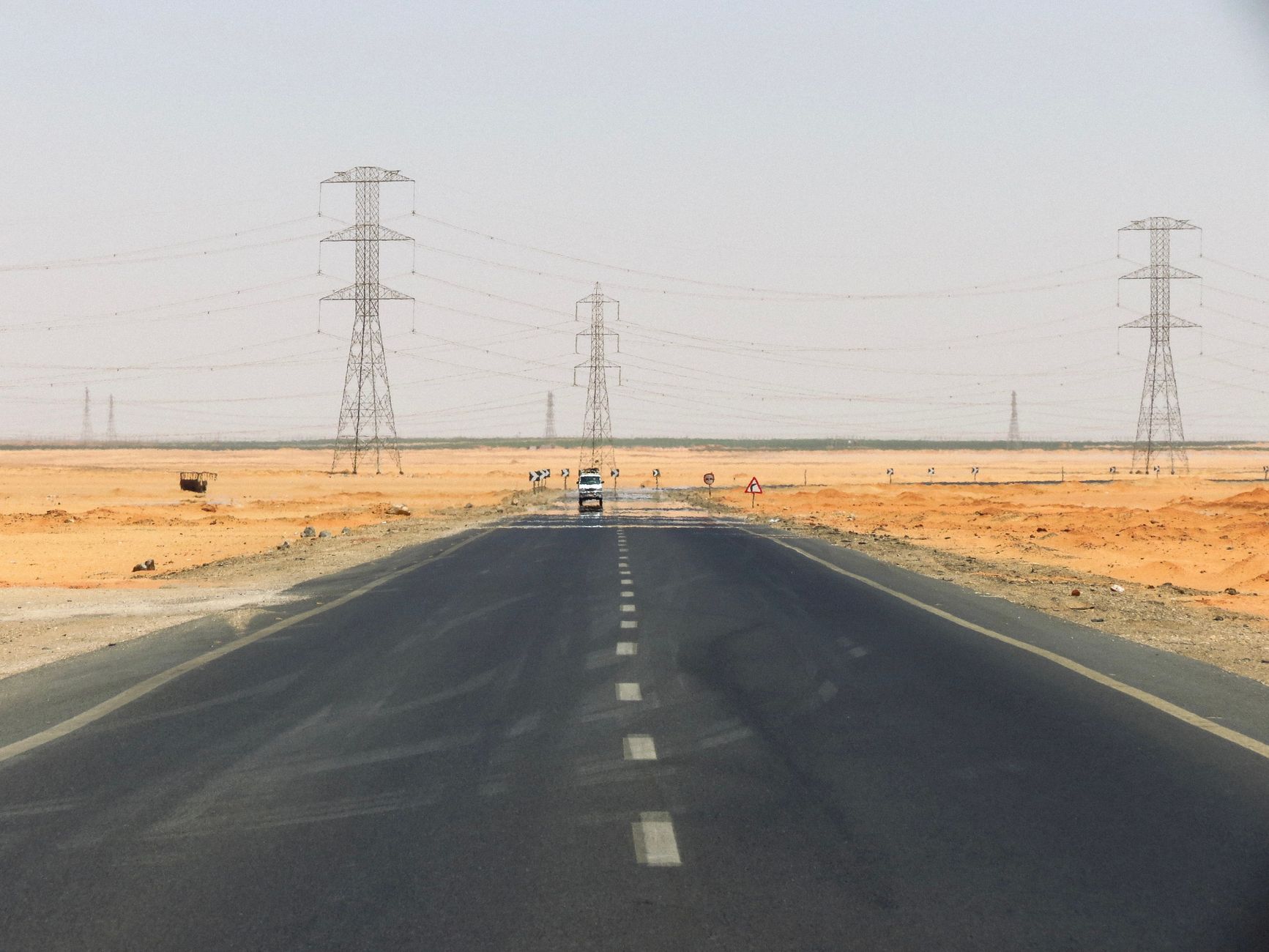
On August 26, 2026, the electric vehicle landscape witnessed a pivotal moment as an unnamed automotive tech consortium in Stuttgart announced a breakthrough: a solid-state battery pack successfully completed a continuous 1,000-mile real-world highway drive on a single charge. This monumental achievement isn't just a number; it's a direct challenge to the very notion of 'range anxiety' that has long shadowed EV adoption, propelling the industry into a new era of long-distance electric mobility.
The 1,000-Mile Milestone: Unpacking the Stuttgart Breakthrough
The rigorous test conditions were as demanding as they were comprehensive, spanning varying weather, including sub-zero mountain passes and high-speed highway cruising, with the battery maintaining top-tier output efficiency throughout. Beyond the impressive range, laboratory tests confirm a crucial fast-charging capability, achieving 80% capacity in a mere 8.5 minutes using standard ultra-fast chargers. This isn't the first indicator of solid-state potential; in August 2025, a modified Mercedes-Benz EQS, powered by Factorial Energy's solid-state cells, completed a 749-mile journey from Stuttgart to Malmö, Sweden, with 85 miles of range still remaining. Factorial's FEST (Factorial Electrolyte System Technology) cells boast an energy density of 375 Wh/kg with over 600 cycles and demonstrated ultra-fast charging from 15% to 90% in just 18 minutes, performing reliably across extreme temperatures from -22°F to 113°F (-30°C to 45°C). Meanwhile, Geely is targeting an even more ambitious 500 Wh/kg energy density, roughly double that of current high-nickel NMC cells, with production packs expected before the end of 2026.
"Following the 745-mile test in 2025, Markus Schäfer, Mercedes' Tech Boss, described Factorial's new battery technology as a 'gamechanger' for electric vehicles, a sentiment that only intensifies with this latest 1,000-mile milestone."
— Markus Schäfer, Mercedes' Tech Boss
- •The 1,000-mile real-world range significantly reduces range anxiety, making EVs more appealing for long-distance travel.
- •Fast-charging capability (80% in 8.5 minutes) addresses another major consumer concern for EV practicality.
- •Major automotive and battery manufacturers are heavily invested, with pilot deployments and production plans accelerating by 2027.
This breakthrough is set to reshape public perception and investor confidence in electric mobility. The industry's heaviest hitters are already deeply committed: Mercedes-Benz and Stellantis have partnered with Factorial Energy, integrating their solid-state cells into development vehicles like the Dodge Charger Daytona. Factorial Energy's Nasdaq IPO in June 2026 further underscores the financial muscle behind this technology. Asian powerhouses like Geely are aggressively pursuing their own solid-state solutions, with real-world road testing of 500 Wh/kg batteries underway and pilot deployments across brands like Volvo and Zeekr slated for 2027. Toyota, Volkswagen, Samsung SDI, CATL, and BYD have collectively poured over $20 billion into solid-state battery research, signaling a unified industry shift. While a true all-solid-state cell has yet to hit mass production, the consistent progress, exemplified by this 1000-mile test, paints a promising future where solid-state batteries offer longer ranges, faster charging, and potentially safer, lighter packs, with semi-solid-state solutions paving the way for full commercialization.
With a 1,000-mile range and rapid charging, would you now consider an electric vehicle for your next purchase?
- Q:Q: What is the significance of the 1,000-mile solid-state battery test? A: The successful completion of a 1,000-mile real-world drive on a single charge dramatically surpasses the range of most current lithium-ion EVs, directly addressing range anxiety and proving the commercial viability of solid-state battery technology for long-distance travel.
- Q:Q: Which companies are leading the development in solid-state battery technology? A: While the 1,000-mile test was by an 'automotive tech consortium,' key players include Factorial Energy (partnered with Mercedes-Benz and Stellantis), Geely (developing 500 Wh/kg batteries), Toyota, Volkswagen, Samsung SDI, CATL, and BYD, all heavily invested in the research and commercialization of solid-state solutions.



Responses (0)
Thoughtful discussions onlySign in to join the conversation
Share your insights, counter-arguments, and peer feedback with the author and community.