Quantum Cryogenic Breakthroughs: IBM Scalable Architecture
IBM unveils a modular cryogenic breakthrough operating below 15 mK, paving the way for fault-tolerant quantum computers like Quantum Starling by 2029.

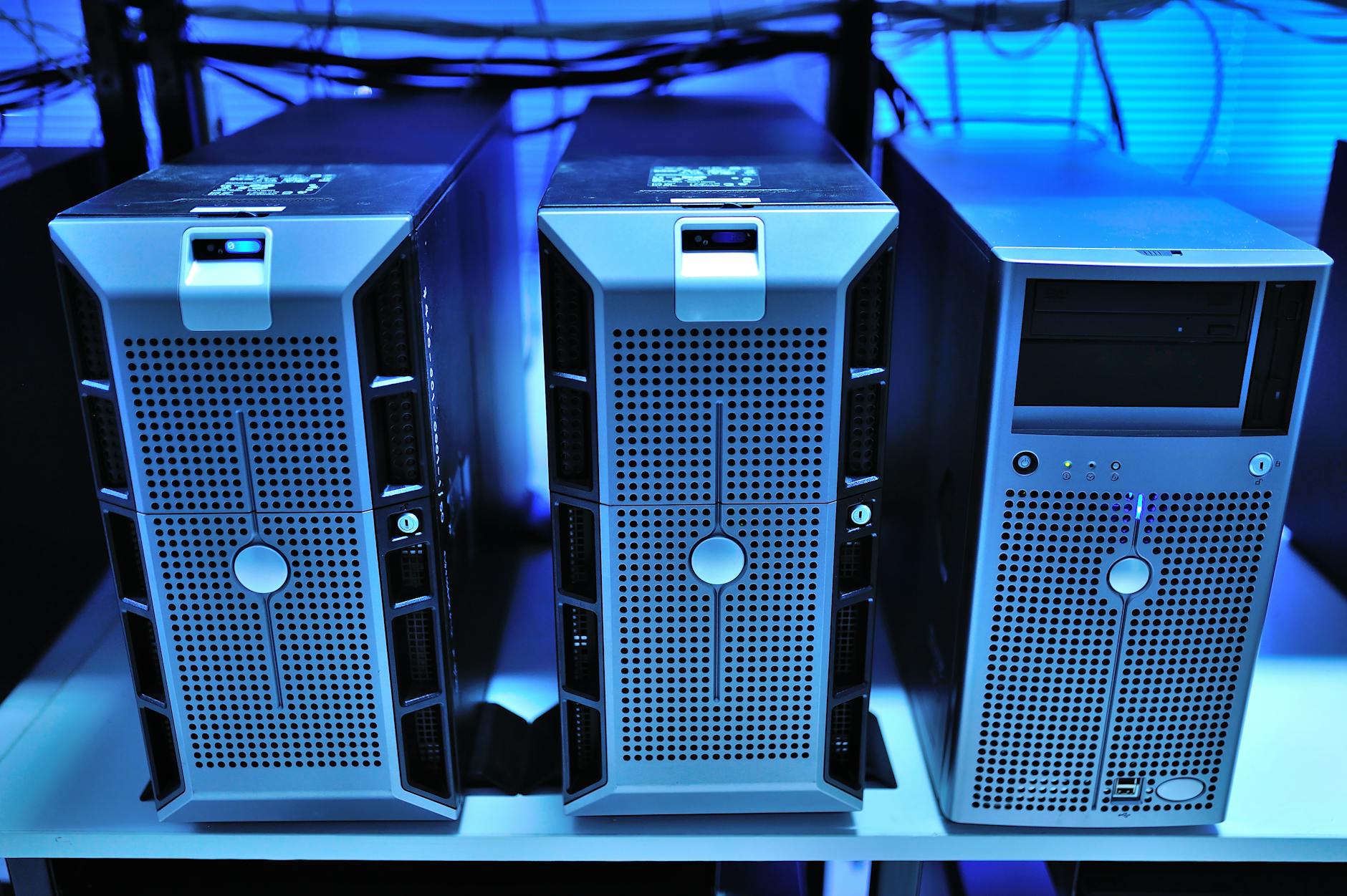
In August 2026, IBM announced a major quantum computing cryogenic breakthrough at its Yorktown Heights and Poughkeepsie research facilities in New York, connecting two modular cryogenic systems into a single operational environment. The system achieved temperatures below 15 millikelvin—approximately 180 times colder than deep space—resolving a fundamental scaling bottleneck that has historically limited multi-processor quantum hardware.
Inside IBM's Modular Cryogenic System Architecture
According to technical documentation published by IBM Quantum researchers Catherine Dundon, Matthew Hollister, and Allie Lindler, each modular cryogenic unit stands 8 feet tall by 8 feet wide with an internal cooling capacity of roughly 9 cubic feet. Crucially, the unified setup provides up to 12 times more wiring density than IBM's previous commercial deployment platforms. The operational cooldown sequence requires over four days to reach an intermediate benchmark of 4 Kelvin before executing the final drop to sub-15 millikelvin levels.
“Normally when we do quantum operations between qubits, we do them on chip. Connecting modular systems in a unified environment expands our physical capacity significantly.”
— Oliver Dial, Vice President of Quantum Operations at IBM
Roadmap to Starling and Systemic Industry Reactions
The cryogenic breakthrough aligns directly with IBM's hardware roadmap, which targets installing Nighthawk chips into the modular units later in 2026 before delivering a 1,000-programmable-qubit system by 2027. This infrastructure lays the foundation for IBM Quantum Starling, planned for 2029, which is projected to host 200 logical qubits capable of running 100 million quantum gates. Concurrently, D-Wave CEO Alan Baratz noted during industry briefings that processor roadmaps must be paired with operational software ecosystems, emphasizing that true leadership requires sustained commercial execution across dual-platform strategies.
- •Modular sub-15 mK cryogenics eliminates physical wiring limits, allowing cross-chip quantum connections.
- •IBM targets 1,000 programmable qubits by 2027 and the fault-tolerant IBM Quantum Starling by 2029.
- •Parallel room-temperature light-sorting material research at LSU signals long-term multi-platform diversification.
Complementing IBM's low-temperature infrastructure, researchers at Louisiana State University led by Associate Professor Omar S. Magaña-Loaiza revealed a gold-film 'metacrystal' capable of sorting quantum states of light at room temperature. Together, these thermal engineering advances signal a shift toward hybrid quantum data center models, directly impacting future post-quantum cryptographic standards and compute unit economics.
Which quantum architecture pathway will dominate commercial enterprise by 2030?
- Q:Q: What is the operating temperature of IBM's new modular cryogenic system? A: The combined modular architecture operates below 15 millikelvin (mK), which is approximately 180 times colder than deep space.
- Q:Q: When does IBM plan to deploy its first fault-tolerant quantum computer? A: IBM aims to deliver IBM Quantum Starling by 2029, featuring roughly 200 logical qubits capable of executing 100 million quantum gates.
Senior Editorial Contributor at Devyy Media covering breaking global trends and verified journalism.
Responses (0)
Thoughtful discussions onlySign in to join the conversation
Share your insights, counter-arguments, and peer feedback with the author and community.